
I learned this lesson early and the hard way: making money is important, but keeping money is everything. Many people enter finance, trading, or investing with excitement, only to lose confidence—and capital—because they ignored one core principle: risk management.
If you understand this one concept deeply, you will automatically become more disciplined, calmer, and smarter with money.

What is risk management in finance? Learn simple ways to control losses, protect capital, and manage risks.
What Is Risk Management in Finance?
Risk management in finance is the process of identifying, controlling, and limiting potential losses before they happen.
In simple terms, risk management answers one question:
Whether you are investing, trading, or running a business, risk is always present. Risk management does not remove risk. It controls it.

Why Risk Management Is More Important Than Profit
Most beginners focus on profits. Professionals focus on survival.
Here’s the truth:
Without risk management:
With proper risk management, even average strategies can succeed.
Risk Management in Everyday Finance
Risk management is not limited to trading.
Examples:
You already practice risk management in life—finance is no different.
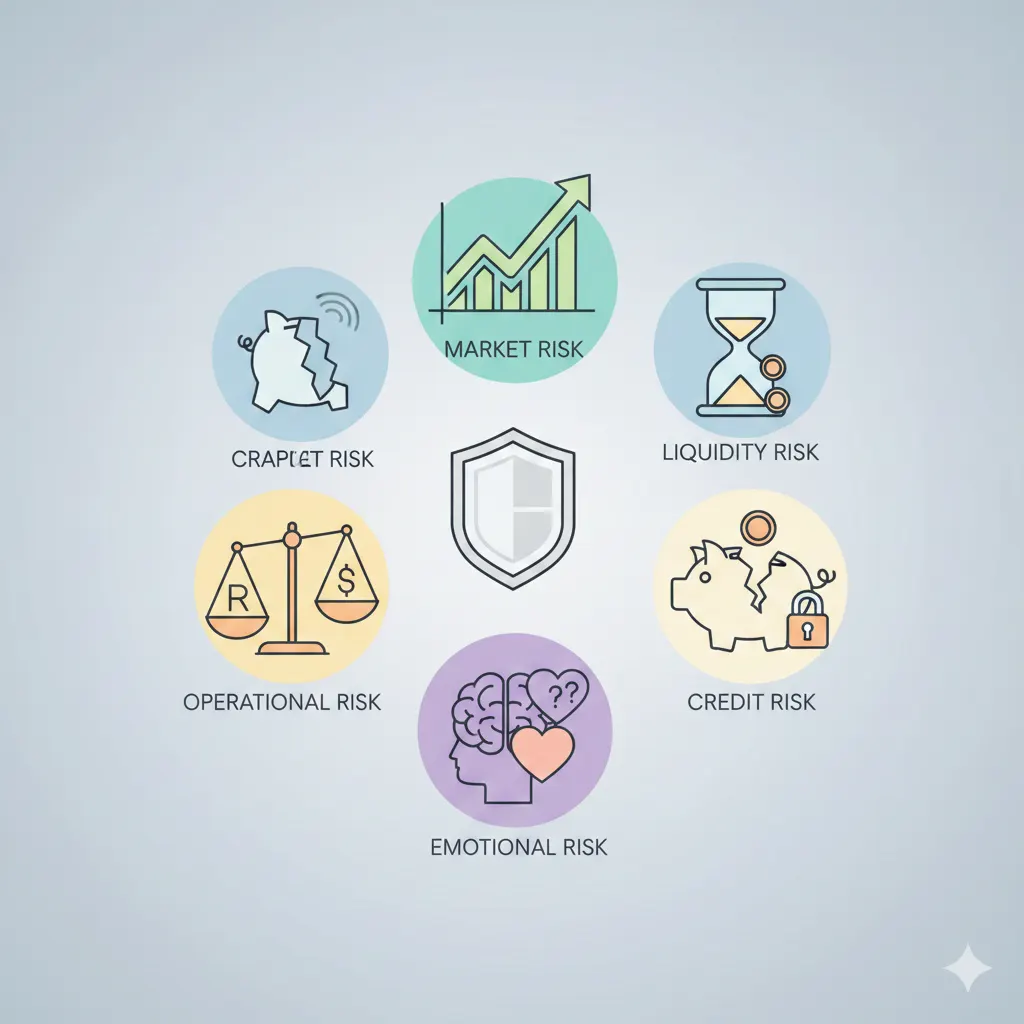
Types of Financial Risk
Understanding risk types helps control them.
Market Risk
Risk caused by price movement in markets.
Credit Risk
Risk of someone failing to repay money.
Liquidity Risk
Risk of not being able to exit an investment easily.
Emotional Risk
Risk caused by fear, greed, or impatience.
Most losses come from emotional risk, not market risk.
Core Principles of Risk Management
1. Capital Preservation First
Your first goal is not to grow money, but to protect it.
2. Define Risk Before Entry
Never enter a trade or investment without knowing:
3. Risk Small, Win Big
Risk less on each decision so you can stay longer in the game.
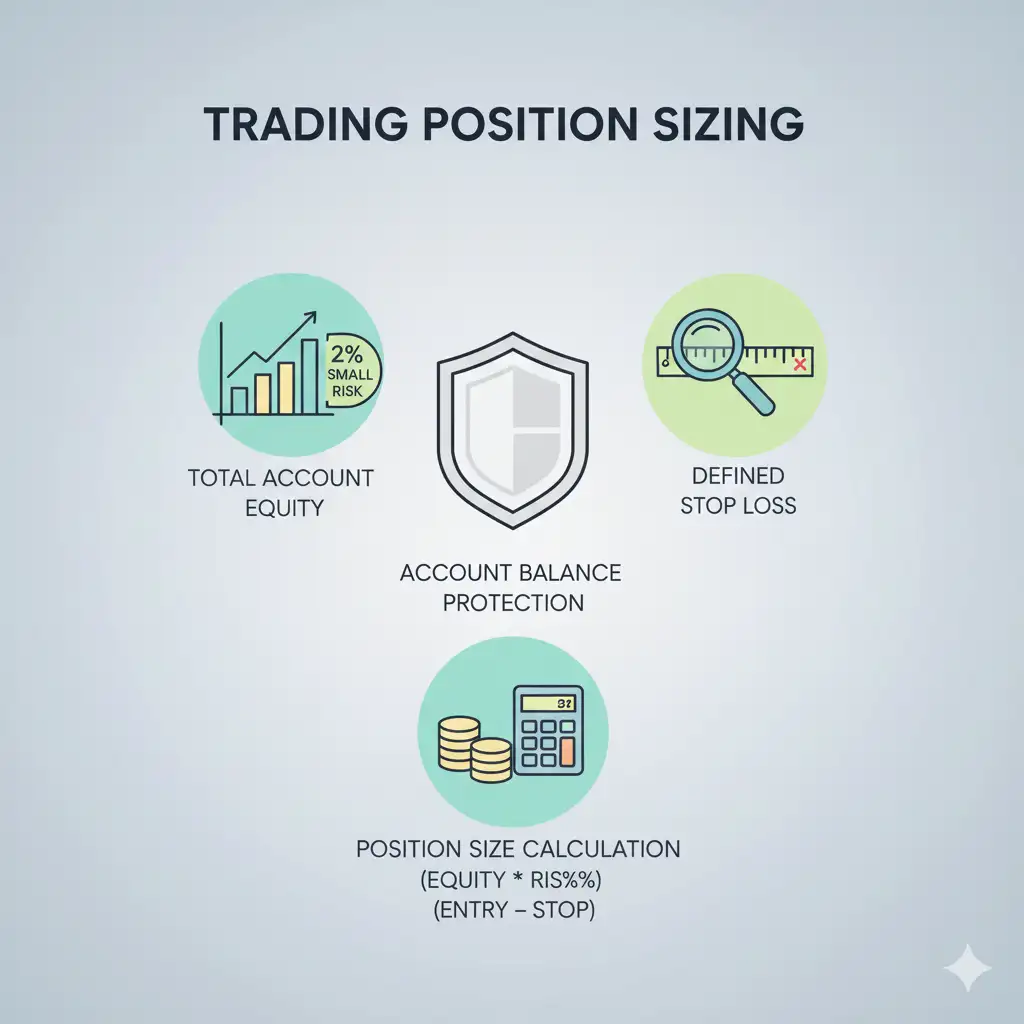
Position Sizing: The Backbone of Risk Management
Position sizing decides how much money you put into a single trade or investment.
A common rule:
This allows you to make mistakes without destroying your account.
Stop Loss: Your Safety Net
A stop loss is a predefined exit that limits damage.
Using a stop loss:
Avoiding stop loss is a beginner’s biggest mistake.
Risk Management in Trading
In trading, risk management decides long-term success.
Rules include:
Even professional traders lose trades. They just lose small.
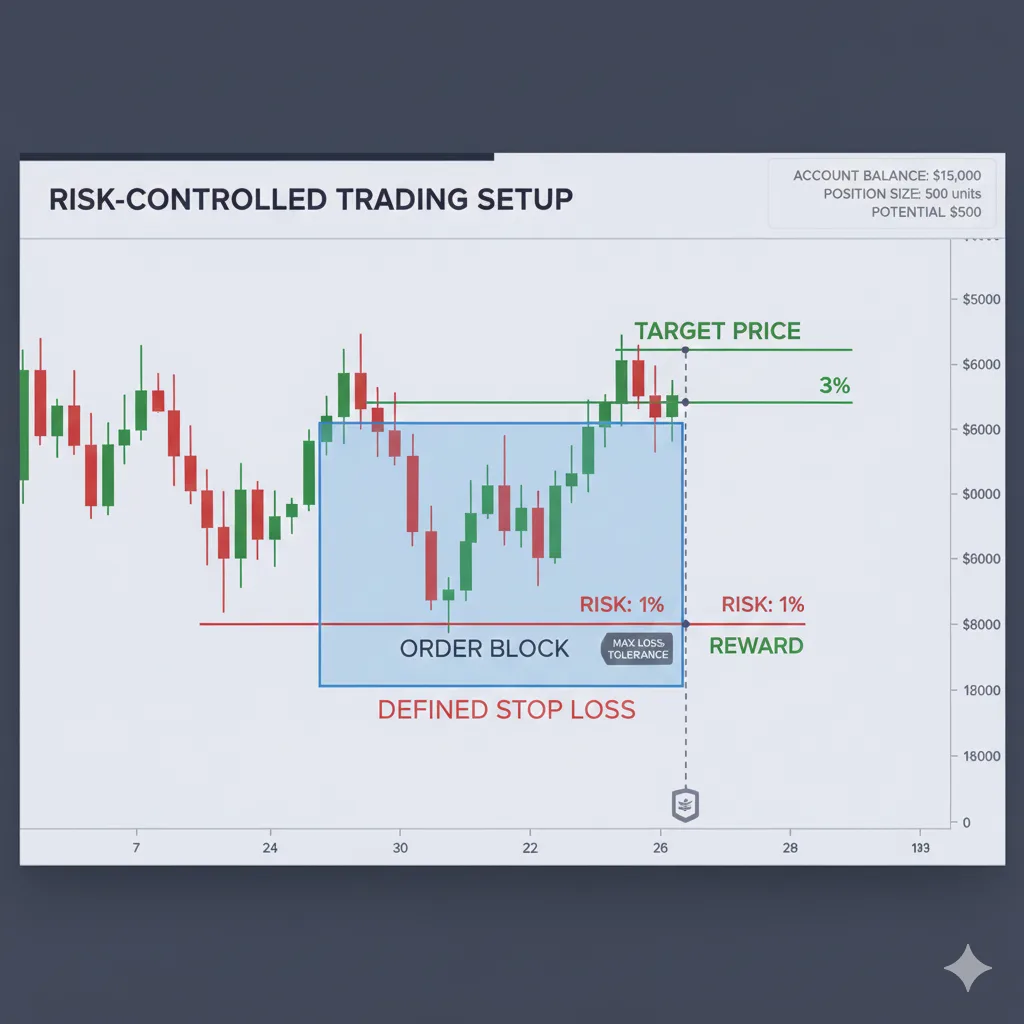
Risk Management and OB (Order Block)
When trading OB Order Block, risk management becomes clearer.
Order blocks help:
Risk is calculated before entering the OB zone.
Risk Management and Liquidity Concepts
Liquidity sweeps and stop hunts exist because traders place obvious stops.
Smart risk management:
Understanding market behaviour improves protection.
Emotional Discipline: The Hidden Risk
Emotional decisions destroy good plans.
Common emotional risks:
Risk management protects you from your own emotions.
Beginner Mistakes in Risk Management
Avoiding these mistakes improves results instantly.
How Beginners Should Build Risk Management Habits
Start with:
Habits beat motivation.
Risk Management in Long-Term Investing
Even investors need risk control.
Techniques include:
Risk management keeps portfolios stable.
Risk vs Reward: The Balance
Risk management is not about avoiding risk completely.
It is about:
Smart money survives first, grows later.

Final Thoughts
Risk management is the foundation of all financial success.
Once you master risk management, fear reduces, discipline increases, and decision-making becomes calm.
Protect capital. Respect risk. Stay consistent.
Frequently Asked Questions (FAQs)
Is risk management necessary for beginners?
Yes. Beginners need it more than professionals.
Can risk management guarantee profits?
No. It guarantees survival, not profits.
What is the safest risk percentage?
Most traders use 1–2% per trade.
Does risk management apply outside trading?
Yes. It applies to all financial decisions.