
I remember the first time price suddenly spiked above a clear high, took out my stop loss, and then reversed perfectly in the opposite direction. At that moment, it felt unfair. Later, I realised it was not random at all. It was a liquidity sweep.
If you trade or study markets, understanding liquidity sweep is a game‑changer. It explains why price often moves against the crowd before making the real move. In this guide, I’ll explain what a liquidity sweep is from the basics to an intermediate level, using simple language and real logic—no hype, no confusion.
What is a liquidity sweep? Learn how markets hunt stops, why price reverses, and how traders use liquidity sweeps smartly.
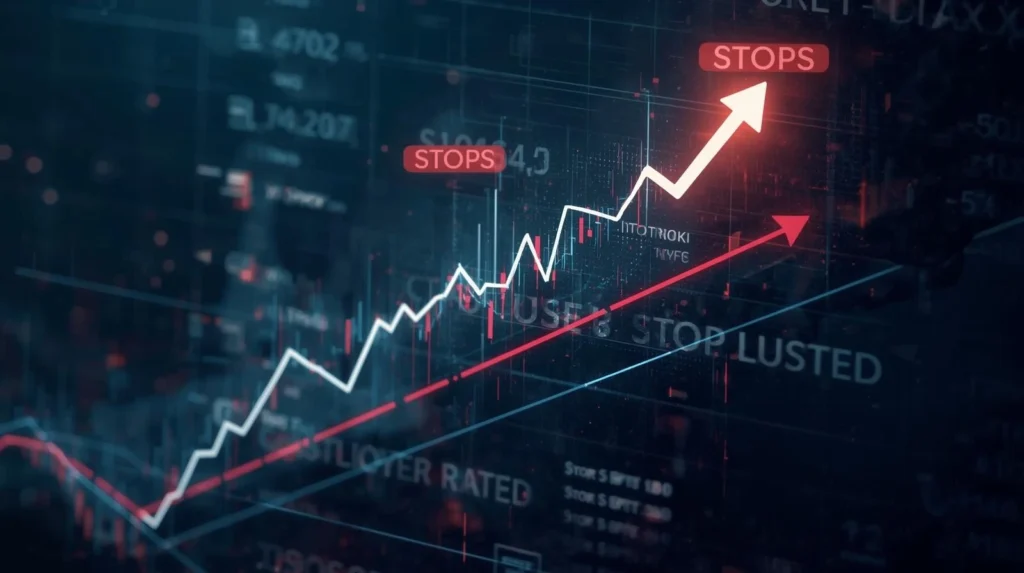
What Is Liquidity Sweep?
A liquidity sweep happens when price moves deliberately toward an area where many stop losses or pending orders are placed, triggers them, and then reverses direction.
In simple words, the market first collects liquidity before making its real move.
Liquidity usually exists around:
These areas attract retail traders. Institutions use them to fill large orders.
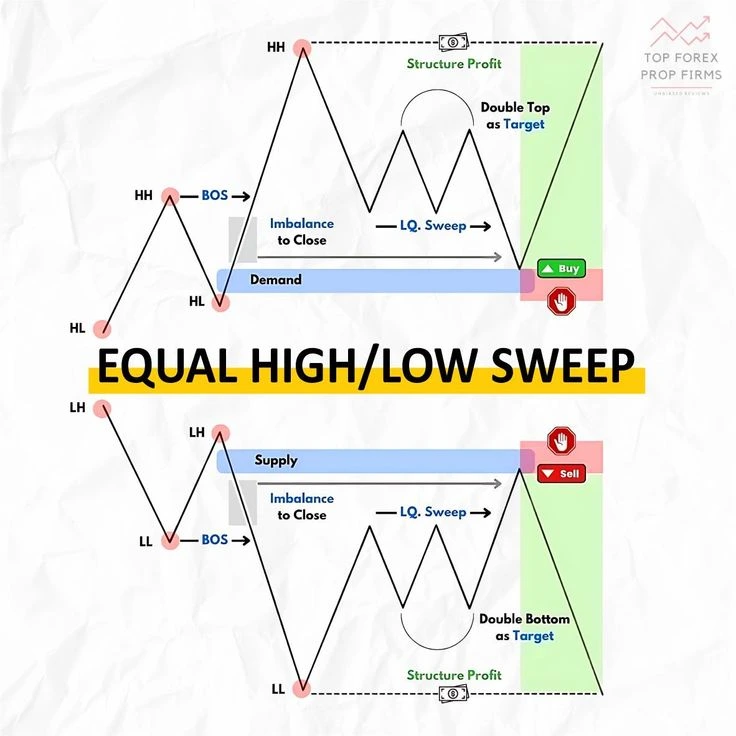
Why Liquidity Sweep Happens in Markets
Big players cannot enter trades the way small traders do. Their order size is huge. They need liquidity.
Liquidity sweeps happen because:
Therefore, liquidity sweep is not manipulation—it is execution logic.
Liquidity Sweep in Simple Share Market Terms
In the share market, liquidity sweep means:
Then price reverses.
Once you see this pattern, charts stop feeling random.
Liquidity Sweep vs Breakout
This is where most beginners get trapped.
The difference is confirmation.
Liquidity sweeps usually show:
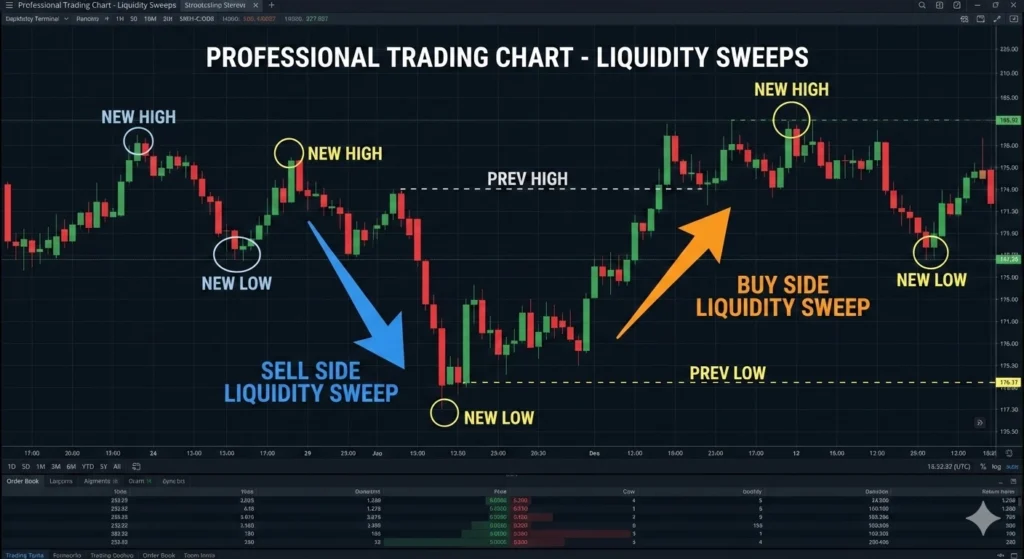
Types of Liquidity Sweeps
Buy-Side Liquidity Sweep
This happens above highs.
Price sweeps buy-side liquidity by taking:
Then price often moves down.
Sell-Side Liquidity Sweep
This happens below lows.
Price sweeps sell-side liquidity by triggering:
Then price often moves up.
Liquidity Sweep and Market Structure
Liquidity sweeps work best when aligned with structure.
Trading against structure increases risk.
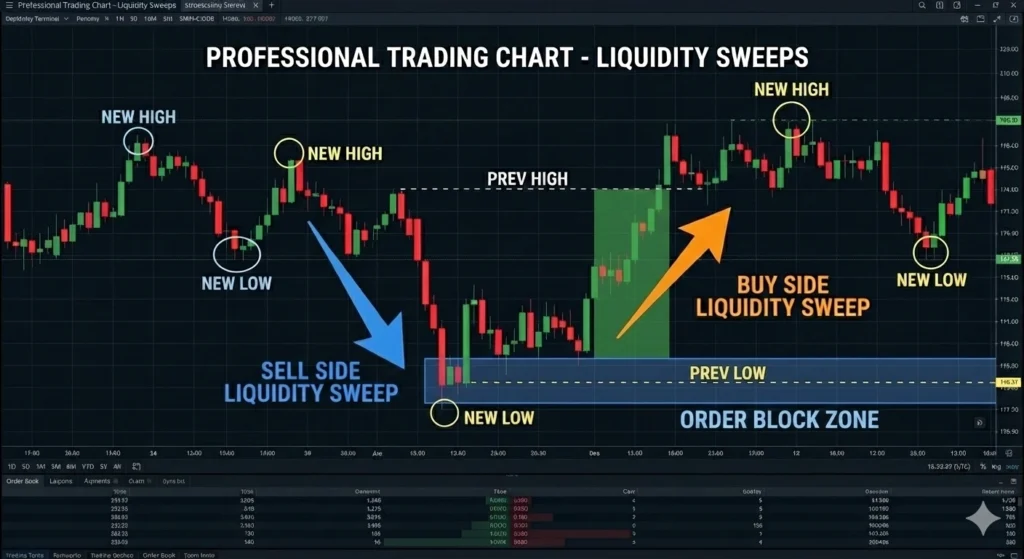
Liquidity Sweep and OB (Order Block)
Liquidity sweeps and OB Order Block work together.
Often, price:
Order blocks provide the zone. Liquidity sweep provides the reason.
How to Identify a Valid Liquidity Sweep
A valid liquidity sweep usually has:
If price slowly drifts, it’s not a sweep.
Beginner Mistakes With Liquidity Sweep
Common errors include:
Liquidity sweep is a concept, not a signal.
How Beginners Should Trade Liquidity Sweeps
Keep it simple:
Patience is your edge.

Liquidity Sweep and Emotional Trading
Liquidity sweeps trigger emotions.
They cause:
Understanding liquidity sweep reduces emotional trading because you expect these moves.
To properly understand this concept you also need to understand Trading Psychology.
Liquidity Sweep vs Indicators
Indicators lag price.
Liquidity sweep explains why price moved.
Price always speaks first.
Liquidity Sweep Across Markets
Liquidity sweep works in:
Wherever liquidity exists, sweeps occur.
Risk Management With Liquidity Sweeps
Always remember:
No setup works without discipline.
Liquidity Sweep in Real Trading Psychology
Once I understood liquidity sweep, I stopped blaming the market.
Instead, I waited.
This shift—from reaction to preparation—is powerful.

Final Thoughts
Liquidity sweep is not about tricking traders. It is about how large money operates.
When you understand liquidity sweep, you stop chasing price and start reading intent.
Stay patient. Stay structured. Protect capital.
Frequently Asked Questions (FAQs)
Is liquidity sweep manipulation?
No. It is a natural part of market execution.
Do liquidity sweeps work for beginners?
Yes, when combined with structure and confirmation.
Is liquidity sweep better than indicators?
It explains price behaviour rather than calculating it.
Can liquidity sweep be used in long-term trading?
Yes, especially on higher timeframes.